
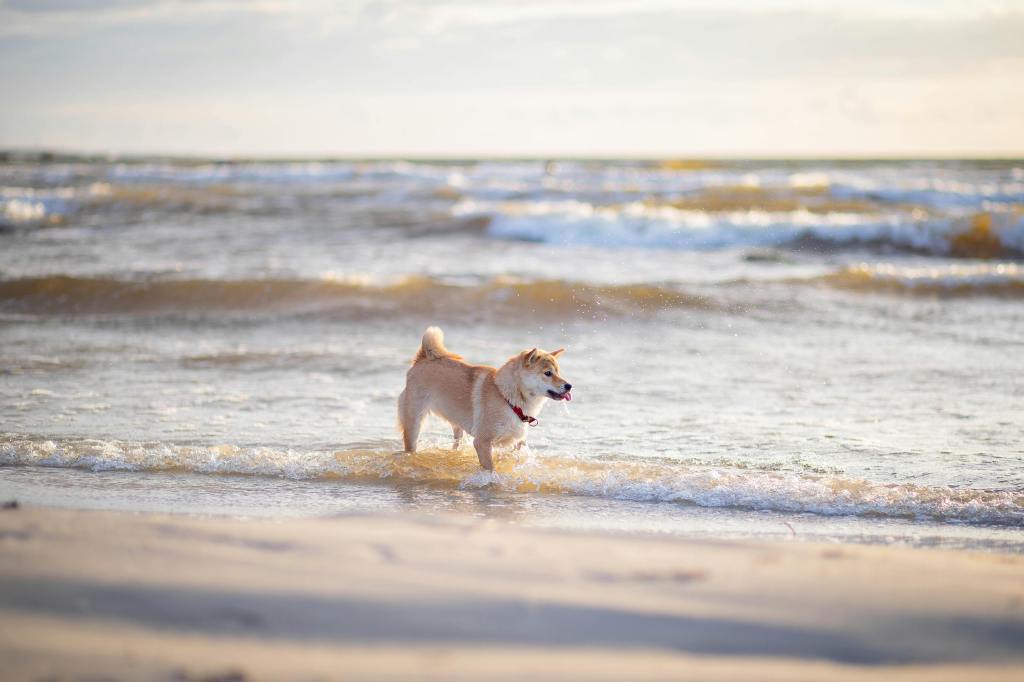
Summer is the perfect time for outdoor adventures with your dog, but with higher temperatures comes increased risk. Follow these dog safety summer tips to ensure your pup stays safe and comfortable during the heat.
This blog is for informational purposes and does not replace veterinary advice. If you’re unsure and would like advice from verified animal welfare charities, please visit the following websites:
- Dogs Trust – Caring for your dog during hot weather
- RSPCA – Caring for your dog in hot weather
- Battersea – How to keep dogs cool in the summer
- Blue Cross – How to keep pets cool in summer
1. Hydration Is Key
- Fresh, cool water, always: Keep multiple bowls at home and carry a portable water bottle with a collapsible bowl for walks.
- Ice cubes & frozen treats: Adding ice cubes or freezing diluted broth or dog-safe fruit (no grapes/cherries!) can help cool your dog from the inside. Ice cubes are an easy way to lower water temperature. You can find some easy frozen treat recipes here.
2. Smart Walkies & Ground Awareness
- Avoid midday heat: Walk during cooler parts of the day, such as early mornings or evening, and avoid walking between 10 AM and 4 PM.
- Protect those paws: Use the “hand test” to check if the pavement is too hot. If you can’t hold your hand on the pavement for five seconds, it’s too hot. If it’s too hot for you, then it’s too hot for them. Hot surfaces can burn paw pads.
- Shade is crucial: Seek out tree shade, awnings, or use a portable umbrella during walks. If your dog is relaxing in the garden, try to set up a shaded area for them to sit in.
3. Cooling Aids: What Really Works
- Cooling mats or pads: Pressure-activated or water-filled cooling mats are great at reducing temperature for a few hours. You can find these in a range of sizes at Pets at Home, or B&M have a selection of cooling pads, bandanas and collars available here.
- Paddling pools & damp towels: A shallow paddling pool or damp towel provides immediate relief. Allow dogs to cool their paws and bellies as they wish.
- Cooling vests/bandanas: Water-activated vests can be helpful in dry heat, though less so in humid conditions.
4. Recognising and Preventing Overheating
- Watch for warning signs: Symptoms include heavy panting, drooling, lethargy, red gums, vomiting, uncoordinated movement, collapsing, or seizures – these may indicate heatstroke.
- Act fast: If your dog is overheated, move them to shade, offer small sips of water (not a full bowl), and place cool (not ice-cold) damp towels on their back, paws, and stomach .
- Head to the vet immediately if symptoms persist. Keep your vet’s contact details close by.
5. Never Leave a Dog in a Car
Even mild UK heat (22 °C) can reach fatal temperatures inside a car (up to 47 °C). Both Dogs Trust and RSPCA urgently warn against leaving dogs unattended in vehicles – even with windows down or just for a brief moment.
6. Grooming & Skin Protection
- Brush regularly: For long-haired or double-coated breeds, frequent grooming removes excess fur and improves cooling.
- Don’t over-shave: Double-coated dogs rely on their fur for insulation – cutting too short risks sunburn. Consult a professional groomer .
- Use pet-safe sunscreen: Apply to exposed skin (noses, ears, bellies), especially on pale or short-haired dogs. This is endorsed by RSPCA, Medivet, and Blue Cross.
7. Adjust Diet & Activity
- Smaller, lighter meals: Digesting generates heat. Where possible, opt for more frequent, smaller meals during heatwaves.
- Gentle play sessions: Swap intense runs for calmer activities. Puzzles, sniff-work, or water play are great and less exhausting in the heat.
8. Emergency Preparedness
- Vet contact information: Keep it visible and easily accessible.
- First-aid essentials: Include items like a digital thermometer, reusable cold packs, gauze, and rubbing alcohol for paw cooling.
Top Tips From The Experts
- The RSPCA highlights avoiding hot surfaces, midday walks, shaded areas, and checking for heatstroke.
- Dogs Trust also emphasises avoiding peak heat and checking pavement temperature.
- Blue Cross recommends using pet-safe sunscreen and spray misters for extra cooling.
Final Thoughts
- Stay adaptable and observant: some dogs are more vulnerable to the heat. You know your dog better than anyone, so if something is not right, please seek professional help immediately.
- Offer your dog choices to self-regulate; this includes shaded areas for them to sit, lots of fresh water available, and cooling options.
- Share these tips with fellow dog owners and help us keep every pup cool, safe, and happy this summer!


 Cyno Blog